September 18, 2023
Understanding the Flyback Diode: Your Essential Guide to Functionality and Why You Need One

Share
BuildWithFlux


A curated collection of PCB and hardware projects crafted by our talented Flux community.

A flyback diode is a semiconductor device that is connected across an inductor in a circuit to protect other components from voltage spikes. When an inductive load is suddenly de-energized, the energy stored in the inductor has to go somewhere. The flyback diode provides a path for this energy, preventing damage to other components like transistors.
Inductors store energy in their magnetic fields. When the current flowing through an inductor changes, it induces an electromotive force (EMF) due to its inductance. This induced EMF can be harmful to other components in the circuit, especially sensitive ones like integrated circuits (ICs).
When an inductive load like a solenoid or coil is switched off, the energy stored in its inductance must be dissipated. Without a flyback diode, this energy can cause voltage spikes, leading to arcing across switch contacts and potential damage to ICs.
Transistors are particularly vulnerable to voltage spikes. A flyback diode can protect the transistor by providing a path for the inductive energy to be safely dissipated.
In some applications, a resistor or a snubber circuit may be used in conjunction with the flyback diode to dampen oscillations and further protect the circuit.
Understanding the flyback diode is crucial for anyone dealing with circuits that include inductive elements. Whether you're working with solenoids, coils, or any inductive load, a flyback diode is your go-to component for protecting against voltage spikes and ensuring that energy is safely dissipated. By selecting the appropriate type—be it a standard, Zener, or freewheeling diode—you can optimize your circuit for both safety and efficiency.
A flyback diode is a semiconductor device that is connected across an inductor in a circuit to protect other components from voltage spikes. When an inductive load is suddenly de-energized, the energy stored in the inductor has to go somewhere. The flyback diode provides a path for this energy, preventing damage to other components like transistors.
Inductors store energy in their magnetic fields. When the current flowing through an inductor changes, it induces an electromotive force (EMF) due to its inductance. This induced EMF can be harmful to other components in the circuit, especially sensitive ones like integrated circuits (ICs).
When an inductive load like a solenoid or coil is switched off, the energy stored in its inductance must be dissipated. Without a flyback diode, this energy can cause voltage spikes, leading to arcing across switch contacts and potential damage to ICs.
Transistors are particularly vulnerable to voltage spikes. A flyback diode can protect the transistor by providing a path for the inductive energy to be safely dissipated.
In some applications, a resistor or a snubber circuit may be used in conjunction with the flyback diode to dampen oscillations and further protect the circuit.
Understanding the flyback diode is crucial for anyone dealing with circuits that include inductive elements. Whether you're working with solenoids, coils, or any inductive load, a flyback diode is your go-to component for protecting against voltage spikes and ensuring that energy is safely dissipated. By selecting the appropriate type—be it a standard, Zener, or freewheeling diode—you can optimize your circuit for both safety and efficiency.


The guide provides an easy-to-follow formula for converting mm to mils, essential in engineering and PCB design for precise measurements and applications.

Explore more than 20 new Flux Copilot prompts for hardware design. Accelerate brainstorming, component selection, validation and design review to streamline your PCB design.

The blog delves into the essentials of MOSFETs, a cornerstone in electrical engineering, highlighting their voltage-controlled nature and efficiency. It contrasts MOSFETs with BJTs and JFETs and explains pivotal parameters like Vgs and Vd. Their low power consumption, versatility, and role in modern electronics are underscored."

In this post, we’ll explore five common mistakes companies make when contracting PCB design and how you can avoid them by using tools like Flux to keep your project on track, from concept to completion.

Flux Copilot’s new AI-powered part search makes finding and placing components faster and easier using natural language. It eliminates tool-switching and datasheet overload. This streamlines your PCB design workflow.
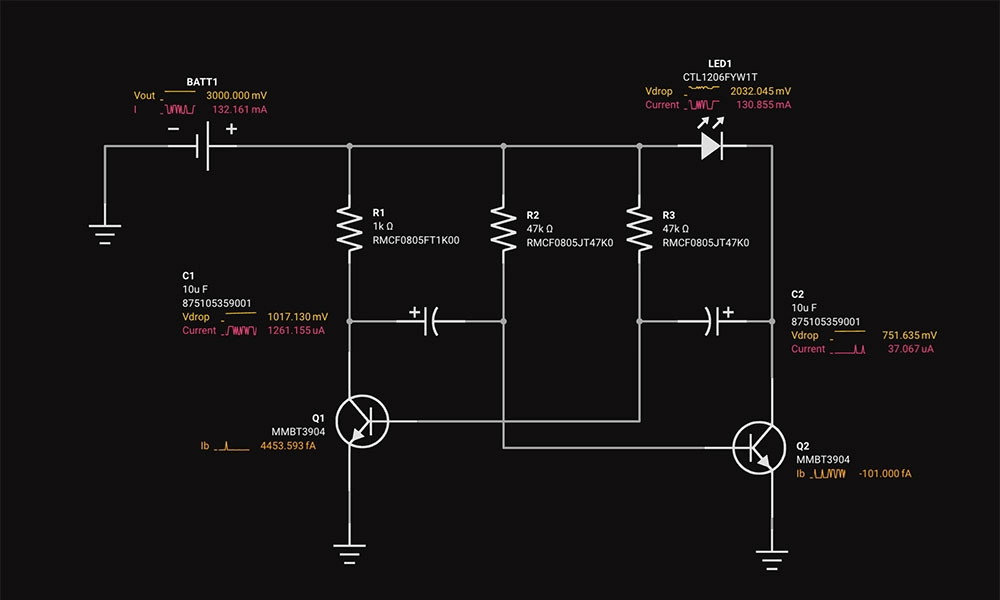
Circuit simulation is a crucial tool in electronic design. It uses software to predict how circuits will perform, saving time and money. Popular options like Flux, LTSpice, and CircuitMaker offer powerful features.

Discover how CAD Librarians can leverage Flux’s key capabilities—AI Part Imports, Component Updates, Live Pricing, and JEP30 Export—each tailored to meet the specific demands of maintaining PCB libraries.

Think you're familiar with the push button and its symbol? Prepare to be surprised! Join us in our latest blog post where we unravel the intricate science behind every press, click, and circuit, revealing the complexities hidden in the simplicity of a push button switch.


Easily calculate resistor values with Flux online Resistor Color Code Calculator. This powerful tool saves time and eliminates errors for electronics enthusiasts and professionals.

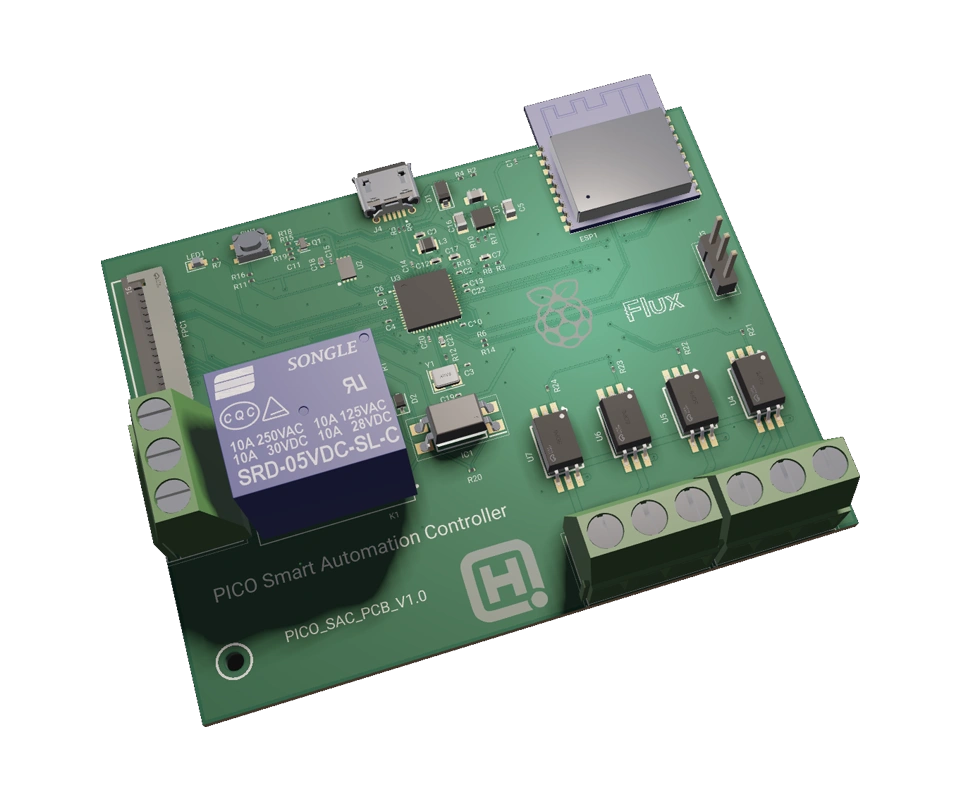
Imagine designing a PCB in a third less time than you're used to - that's the power of Flux Copilot's new upgrade, allowing it to wire components together for you. In this tutorial, we'll walk you through the important workflows and example prompts to help you design a Raspberry-Pi-Pico-like board in 20 minutes.
Learn about STM32 microcontrollers, popular series, USB OTG, SWD, UART, and development tools. Find the right STM32 MCU and kickstart your projects.
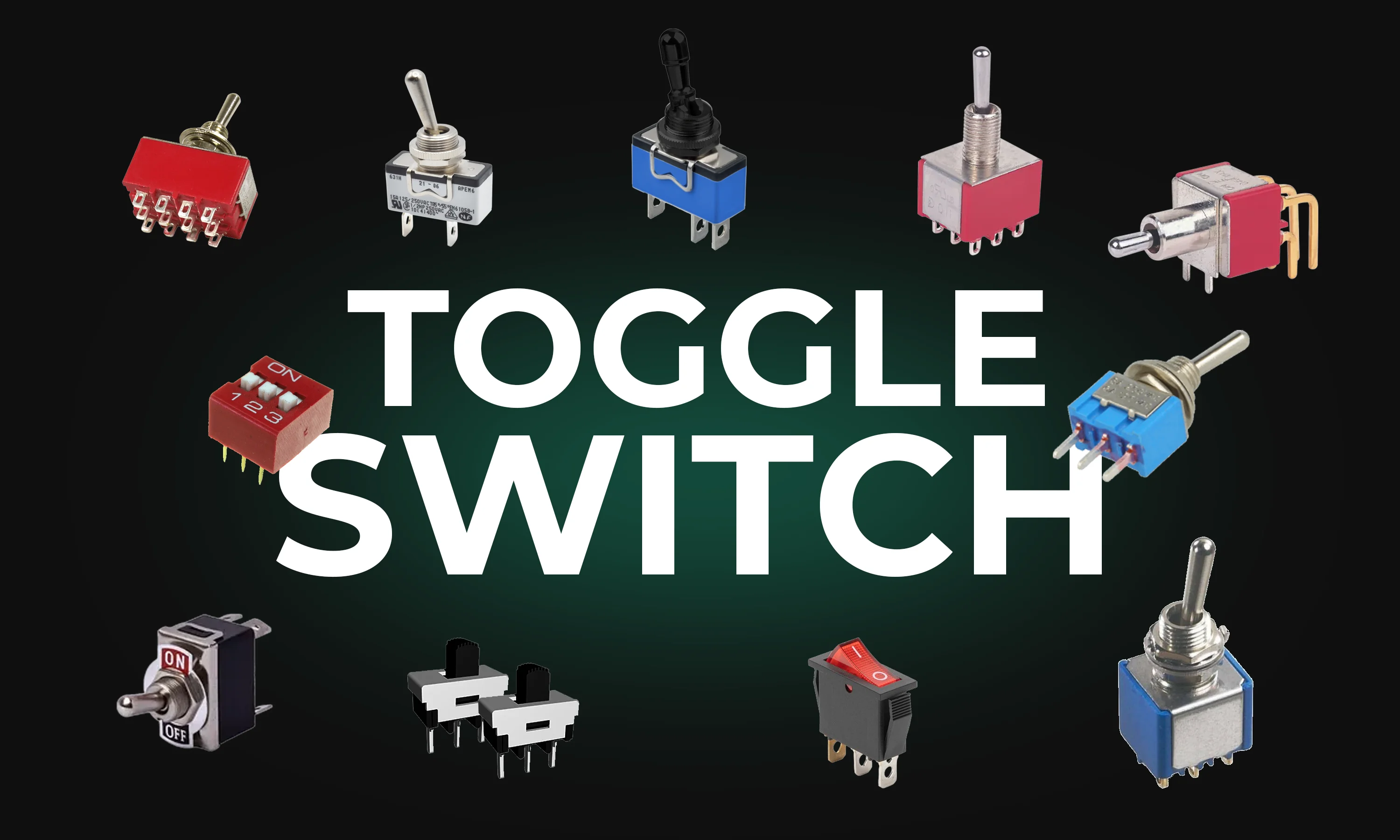
This guide explores toggle switches, their types, and applications in electronics. Learn how they work and find the right one for your project.